Search results: autism

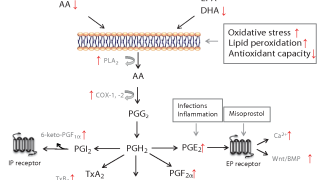
Lipids and autism

Lipids and autism

Neurobiology

By José Ramón Alonso

Lipids represent one of the fundamental molecular components within the realm of biological organisms, alongside proteins, carbohydrates, and nucleic acids. The concept of the “lipidome” pertains to the entirety of lipids found within a cell or a collection of cells. This terminology emerged within the context of modern biological sciences, often referred to as “omic […]

Pain and autism

Pain and autism

Neurobiology

By José Ramón Alonso

Pain is a complex sensation that is mediated by both the peripheral and central nervous systems. In the peripheral nervous system, pain signals are generated by nerve fibers called nociceptors that respond to harmful stimuli. These signals are then transmitted to the brain through the spinal cord, where they are processed and interpreted as pain […]

mTOR and rapamycin in autism spectrum disorders

mTOR and rapamycin in autism spectrum disorders

Neurobiology

By José Ramón Alonso

mTOR has nothing to do with Norse mythology, it stands for “mammalian target of rapamycin” or “target of rapamycin in mammalian cells”. mTOR is involved in important cellular processes, including growth, proliferation, motility, survival, protein synthesis, transcription and autophagy. The history of rapamycin is so suggestive that I cannot avoid mentioning it: in the 1960s […]

Increased density of synapses in autism spectrum disorders

Increased density of synapses in autism spectrum disorders

Neurobiology • Neuroscience

By José Ramón Alonso

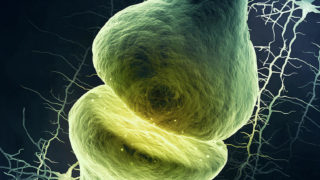
At a synapse, the plasma membrane of the neuron transmitting the information (the presynaptic neuron) is in close proximity to the membrane of the target cell (postsynaptic) and the two are separated by a space known as the synaptic cleft. Both the presynaptic and postsynaptic sites contain extensive assemblies of molecular machinery that link the […]

Mutations in the non-coding genome contribute to autism

Mutations in the non-coding genome contribute to autism

Genetics • Neurobiology

By José Ramón Alonso

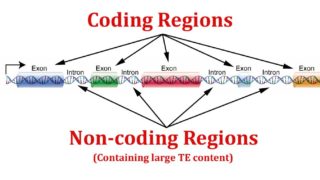
A significant portion of an organism’s genome is non-coding; that is, it does not carry information to make proteins. Part of the non-coding DNA is transcribed into functional non-coding RNA molecules (e.g., transfer RNA, ribosomal RNA and regulatory RNA). Other functions of non-coding DNA include transcriptional and translational regulation of protein coding sequences, nuclear scaffold […]

Interleukin-35 and autism

Interleukin-35 and autism

Neurobiology

By José Ramón Alonso

The cause of autism spectrum disorders (ASD) is not known yet, but it is clear that there is a complex interaction between many genes and many environmental factors. Autism affects not only those aspects that are used for diagnosis: social interaction, communication, and restricted and repetitive behaviors, but also many other factors related to the […]