MI weekly selection #494
MI weekly selection #494
NASA ends Mars InSight lander mission after 4 years
NASA has officially concluded its InSight lander mission on Mars after the spacecraft’s solar panels accumulated too much dust and has stopped transmitting information on the planet’s geologic makeup and activity. After an “enormously successful mission,” InSight is “going to sit on Mars and enjoy the Martian sunsets for a while after it stops talking to us,” says Bruce Banerdt of the Jet Propulsion Laboratory and principal investigator of the InSight mission.
Full Story: Space
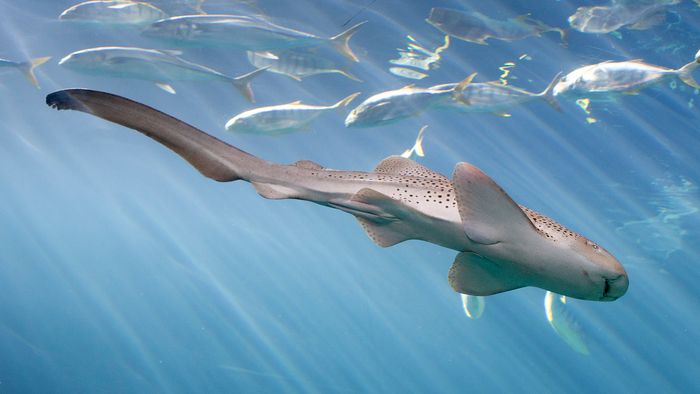
Scientists examine why Zebra shark chose “virgin birth”
Despite the presence of healthy males, a female zebra shark at Chicago’s Shedd Aquarium gave birth using parthenogenesis, or asexual reproduction by fertilizing her own eggs, and both pups died months later. Scientists are studying the reproductive habits of the endangered zebra sharks, including “virgin births,” to enhance conservation-based breeding programs.
Full Story: Live Science
Production of green hydrogen boosted with sound waves
A research team has produced 14 times more green hydrogen than the amount gained from existing techniques by adapting those techniques and bombarding hydrogen with high-frequency sound waves. Team leader Amgad Rezk says “innovative strategies like sound waves could make the difference” in hydrogen playing a major role in the move toward green energy.
Full Story: Newsweek
A “vagina-on-a-chip” was invented
One of the darlings of modern bioengineering is organ-on-a-chip technology that contains engineered or natural miniature tissues derived from various organs that are grown inside itty bitty fluid channels. Thanks to new research, there is now a vagina-on-a-chip that could help test drugs that fight against bacterial vaginosis.
Full Story: Live Science
Biomarkers of Alzheimer’s found in stranded dolphins
Biomarkers of Alzheimer’s disease were found in a white-beaked dolphin, a bottlenose dolphin and a long-finned pilot whale that were stranded off Scotland’s coast. Scientists don’t know whether the cetaceans’ brain changes caused dementia similar to Alzheimer’s in humans, but if so, it could explain some mass strandings.
Full Story: The Guardian