Climate change is transforming Biscayne Bay
Climate change is transforming Biscayne Bay
Climate change and sea level rise are altering the chemistry of Biscayne Bay in ways that could threaten South Florida’s coastal ecosystems, water resources, fisheries, and recreation, according to a study 1 led by scientists from the University of Miami Rosenstiel School of Marine, Atmospheric, and Earth Science and Miami-Dade County’s Department of Environmental Resources Management. Researchers found that over the past 20 years, Biscayne Bay has become warmer, saltier, and more acidic.
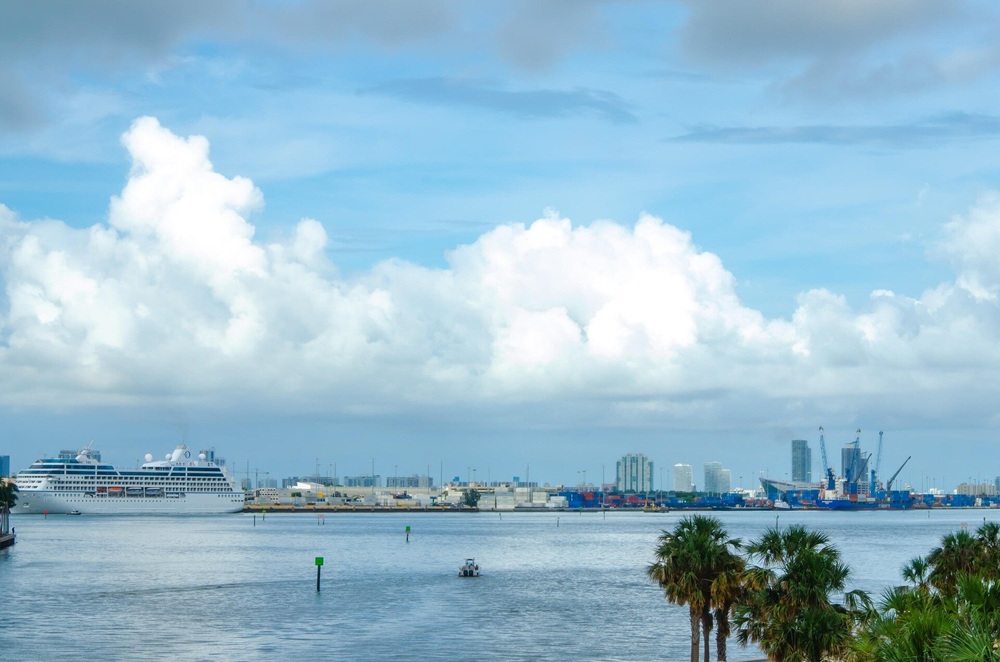
The researchers analyzed two decades of water quality observations collected between 2001 and 2021 across Biscayne Bay.
“Biscayne Bay is changing in measurable ways as climate change accelerates,” said co-author Maria Josefina Olascoaga, a co-author of the study and a professor in the Department of Ocean Sciences at the Rosenstiel School. “We observed that parts of the bay are becoming saltier and warmer, while pH levels are declining, making the water more acidic. These changes can affect seagrasses, fisheries, wildlife, and the broader coastal ecosystem that South Florida communities depend on.”
The researchers evaluated long-term records of salinity, temperature, dissolved oxygen, and pH collected monthly from 34 monitoring stations throughout the bay. They compared changes across decades, seasons, and geographic regions of Biscayne Bay to identify climate-related trends.
The findings show a significant increase in salinity across several regions of Biscayne Bay, especially near canal mouths, where researchers also detected saltwater intrusion in bottom waters. Water temperatures rose throughout the bay, with North Bay warming the fastest. Overall, median temperatures increased by 0.5 degrees Celsius during the study’s second decade.
Researchers also documented declining pH levels in most areas, indicating a growing influence of ocean acidification. Together, these changes point to a shift away from historically fresher, estuarine conditions toward saltier, warmer, and more ocean-like waters, reflecting the combined effects of climate change and sea level rise.
Long-term environmental monitoring is critical to understanding how a changing climate is affecting Biscayne Bay at the local level, providing data that help communities and resource managers anticipate and prepare for future impacts on coastal ecosystems and water resources. The authors note that these findings can also inform decisions on water management, restoration projects, and coastal protection efforts aimed at strengthening the bay’s resilience.
Biscayne Bay encompasses approximately 429 square miles within the boundaries of Miami-Dade County and the City of Miami. It supports South Florida’s economy, tourism, fisheries, recreation, and wildlife habitats. In 2025, scientists from the Shark Research and Conservation Program identified Biscayne Bay as essential nursery habitat for juvenile great hammerhead sharks. The bay also plays a critical role in regional environmental health, including seagrass ecosystems, which are crucial sources of shelter and food for tiny invertebrates, fish, crabs, sea turtles, manatees, and other marine mammals.
Furthermore, the bay offers coastal resilience for Miami-Dade County. Rising salinity and temperature may place additional stress on aquatic organisms and habitats already experiencing environmental pressures.
References
- Valentina Caccia et al. (2026) Climate change influence on salinity, temperature, dissolved oxygen and pH in Biscayne Bay (Florida): Two decades of observations (2001–2021) Estuarine, Coastal and Shelf Science doi: 10.1016/j.ecss.2026.109861 ↩