MI weekly selection #171
MI weekly selection #171
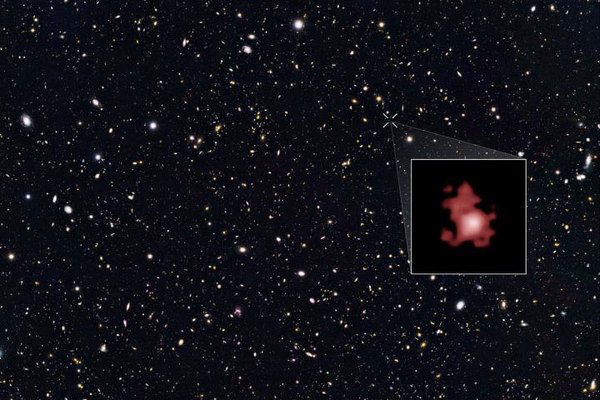
Farthest galaxy ever seen spotted by Hubble
The Hubble Space Telescope has spotted the farthest galaxy found so far, 13.4 billion light-years away, according to findings published in the Astrophysical Journal. Astronomers say the galaxy, GN-z11, dates back to just 400 million years after the Big Bang.
Mars’ outer layers shifted billions of years ago due to volcanic activity
Massive volcano activity on Mars billions of years ago caused the planet’s outer layers to shift around its core, altering the position of its poles. The movement was caused by a Tharsis volcanic dome, which formed about 3.7 billion years ago.
Color-changing soft-skinned robots inspired by octopuses
A robot with stretchy, color-shifting skin has been developed by researchers inspired by the octopus. They actually made two things: they made soft robots that can change their color and display information, and they made a display that can change its shape.
Method developed for body’s immune system to target cancers
The method uses a tumor’s unique markings to allow the body’s immune system to attack the cancer and may one day lead to personalized cancer treatments.
Lab-grown breast tissue might advance cancer research
Scientists have created a medium in which breast tissue samples can grow into functional human tissue, which could facilitate breast cancer research. The hydrogel scaffold contains extracellular proteins and carbohydrates that encourage cells to develop into functioning tissue that responds to hormones.