Search results: climate change

MI weekly selection #541

MI weekly selection #541

Weekly Selection

By César Tomé

Octopus DNA helps scientists resolve geological mystery Scientists analyzed the genetic history of an octopus species living in the Antarctic to confirm a theory about when the West Antarctic ice sheet last collapsed. The Turquet’s octopus has different populations separated by the West Antarctic ice shelves today, but the creature’s family tree indicates that the […]
MI weekly selection #536

MI weekly selection #536

Weekly Selection

By César Tomé

Bonobos show pro-social cooperation between groups Bonobos demonstrate cooperation between different social groups such as forming alliances and sharing food, according to a study of wild adult bonobos in the Kokolopori Bonobo Reserve in the Democratic Republic of Congo. Bonobos show that the ability to maintain peaceful between-group relationships while extending acts of pro-sociality and […]

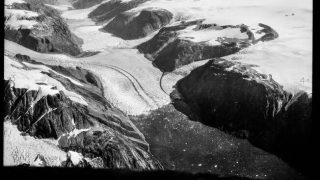
Greenland ’s glaciers are melting at an unprecedented pace

Greenland ’s glaciers are melting at an unprecedented pace

Ecology • Geosciences

By César Tomé

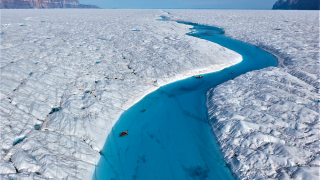
In the largest survey of its kind ever conducted researchers from the University of Copenhagen firmly established a fivefold increase in the melting of Greenland ‘s glaciers over the last 20 years. Using both satellite imagery and old aerial photos from the Danish National Archives, researchers from the University of Copenhagen firmly establish that Greenland’s […]

Too much democracy in democratic science?

Too much democracy in democratic science?

Philosophy of science

By Jesús Zamora Bonilla

democracy There is a growing movement to democratize science, involving the public, often lacking traditional scientific credentials, in the research process. This inclusivity manifests in various forms, particularly involving the public in making value judgments that play a vital role in the scientific decision-making process. As demonstrated by philosophers and scholars of science, scientific inquiry […]

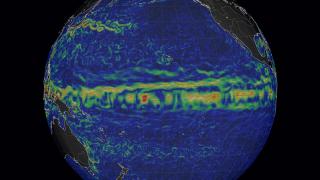
Energy input into the ocean from mid-latitude storms is expected to decrease

Energy input into the ocean from mid-latitude storms is expected to decrease

Geosciences • Physics • Planetary Science

By César Tomé

The strength of the wind has an important influence on ocean circulation. This is particularly true for extreme events such as storm fronts, tropical storms and cyclones. These weather patterns, which last from a few days to a few weeks, will change in the future due to climate change. In particular, the average energy input […]

Sustainable use of natural resources in Pantanal communities

Sustainable use of natural resources in Pantanal communities

Anthropology • Ecology

By Invited Researcher

pantanal Author: Rafael Morais Chiaravalloti, Lecturer in Environmental Anthropology, University College London “How can we use nature in a sustainable way?” That is a question I, together with colleagues from different parts of the world, have sought to answer for a decade. We are dedicated to studying issues related to the sustainable use of natural […]

MI weekly selection #526

MI weekly selection #526

Weekly Selection

By César Tomé

A new type of bird-like dinosaur Scientists have studied a newly discovered fossil of a bird-like dinosaur likely between 148 to 150 million years old that may be the youngest member of the Jurassic avialans. The creature, called Fujianvenator prodigiosus, was about the size of a pheasant, had long legs that were likely used for […]

MI weekly selection #522

MI weekly selection #522

Weekly Selection

By César Tomé

Annulated sea snakes do have genes to see colour Annulated sea snakes, a venomous species found in the oceans of Australia and Asia, can see colour, debunking assumptions of colorblindness after surviving the last 110 million years in the ocean. Researchers used genome sequencing to find four intact copies of the opsin gene SWS1 &#8212 […]