MI weekly selection #546
MI weekly selection #546
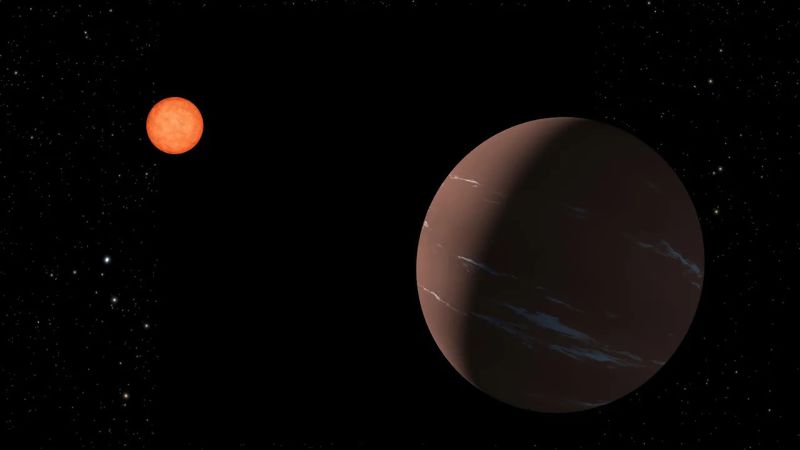
NASA/JPL-Caltech
Iceland volcano’s magma hits unprecedented speed
Magma underneath Iceland’s Reykjanes peninsula flows at an “ultra-rapid” 7,400 cubic meters per second, and the same magma river likely caused Thursday’s eruption. The unprecedented speed indicates the role of not only pressure but also tectonic stress and ground fracturing in a volcano’s likelihood to erupt, says Sigrun Hreinsdottir, an author of the study.
Full Story: Newsweek
Pollution disrupts nighttime pollination
Pollution has weakened the fragile scents of night-blooming plants that nocturnal insects follow to find and pollinate. Nitrate radicals, which form when ozone reacts with nitrogen oxides from industrial smokestacks and exhaust, prevent the scents from traveling far, which stymies pollinators’ efforts to find food and pollinate plants.
Full Story: Science
Distant “super-Earth” could contain liquid water
A planet larger than Earth orbits a red dwarf star about 137 light-years away, possibly accompanied by an Earth-size planet orbiting the same star. The position of the “super-Earth” merits further atmospheric study because it’s within the conservative habitable zone, meaning its temperature could allow liquid water on its surface, says lead study author Georgina Dransfield, noting this is the first such discovery by NASA’s Transiting Exoplanet Survey Satellite.
Full Story: CNN
EV battery could offer 1,000-kilometer range with one charge
Researchers from Pohang University of Science & Technology in South Korea are studying the use of micro-sized silicon with gel polymer electrolytes in a battery system for electric vehicles, which could go 1,000 kilometers on a single charge.
Full Story: ScienceDaily
Memory creation and saturated fatty acids linked
The usual recommendation has been to limit intake of saturated fat in foods, but a new study published in The EMBO Journal shows a link between saturated fatty acids and the brain’s ability to generate new memories. “Now for the first time, we’ve identified alterations in the brain’s fatty acid landscape when the neurons encode a memory,” says scientist Isaac Akefe of the University of Queensland.
Full Story: StudyFinds