Search results: plasticity

Microglia and autism

Microglia and autism

Neurobiology

By José Ramón Alonso

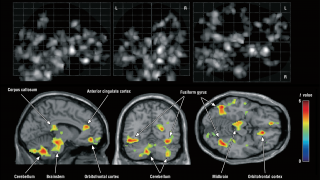
Microglial cells are the immune cells that reside in the central nervous system. They have phagocytic capacity, constitute 10% of the cells of the brain and form a fairly regular three-dimensional network in which each microglia has a unique territory. Its cell body presents many expansions with numerous fine processes, amazingly mobile, with which they […]

Neurexins and autism

Neurexins and autism

Neurobiology

By José Ramón Alonso

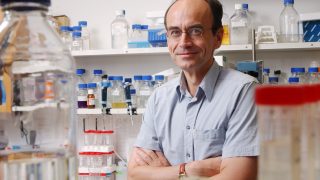
Thomas C. Südhof (Göttingen, Germany, December 22, 1955) is a neurobiologist awarded in 2013 with the Nobel Prize in Medicine for his studies on the trafficking of vesicles in the cell. Südhof has just published an article in the journal Cell, one of the best in the world, about neurexins, one of the most interesting […]

Sleeping spines

Sleeping spines

Neurobiology • Neuroscience

By José Ramón Alonso

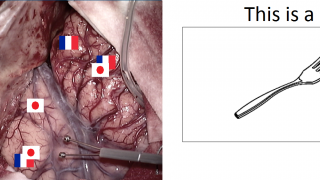
Sleep is a naturally recurring state of mind and body characterized by altered consciousness, relatively repressed sensory inputs, inhibition of nearly all voluntary muscles, and reduced interactions with surroundings. We spend around one third of our lives sleeping although why we sleep is still theme of debate. Sleep seems to assist animals with improvements in […]

Identified an immune cellular link between the gut microbiota and the brain

Identified an immune cellular link between the gut microbiota and the brain

Microbiology • Neurobiology

By Rosa García-Verdugo

For a while, new evidence has been accumulating linking the gut microbiota to brain function. A new paper published recently in Cell Reports, shows that the intermediary is a type of white blood cell, evidencing as well the relationship between the brain and the immune system. While the crosstalk between the peripheral immune system and […]

Human-mouse chimeras

Human-mouse chimeras

Neurobiology

By José Ramón Alonso

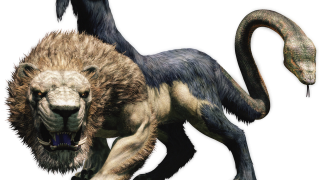
Chimera was a monster from the Greek mythology, a hybrid creature usually depicted as a lion, with the head of a goat arising from its back and a tail ending in a snake. In biology, the term «chimera» is used for a single organism with genetically distinct cells from two different zygotes, also a hybrid […]

Changing the way of life

Changing the way of life

Biology

By José Ramón Alonso

In multicellular organisms, embryonic stem cells develop into any of the different cell types that will form the adult, and along the development, they silence or activate different parts of the genome, giving rise to distinct cell identities, which are maintained throughout adult life by epigenetic mechanisms. A similar procedure may be at work at […]